

Submitted Oct. 21, 2026 by Dean Young, Siksika Nation Emergency Management Coordinator
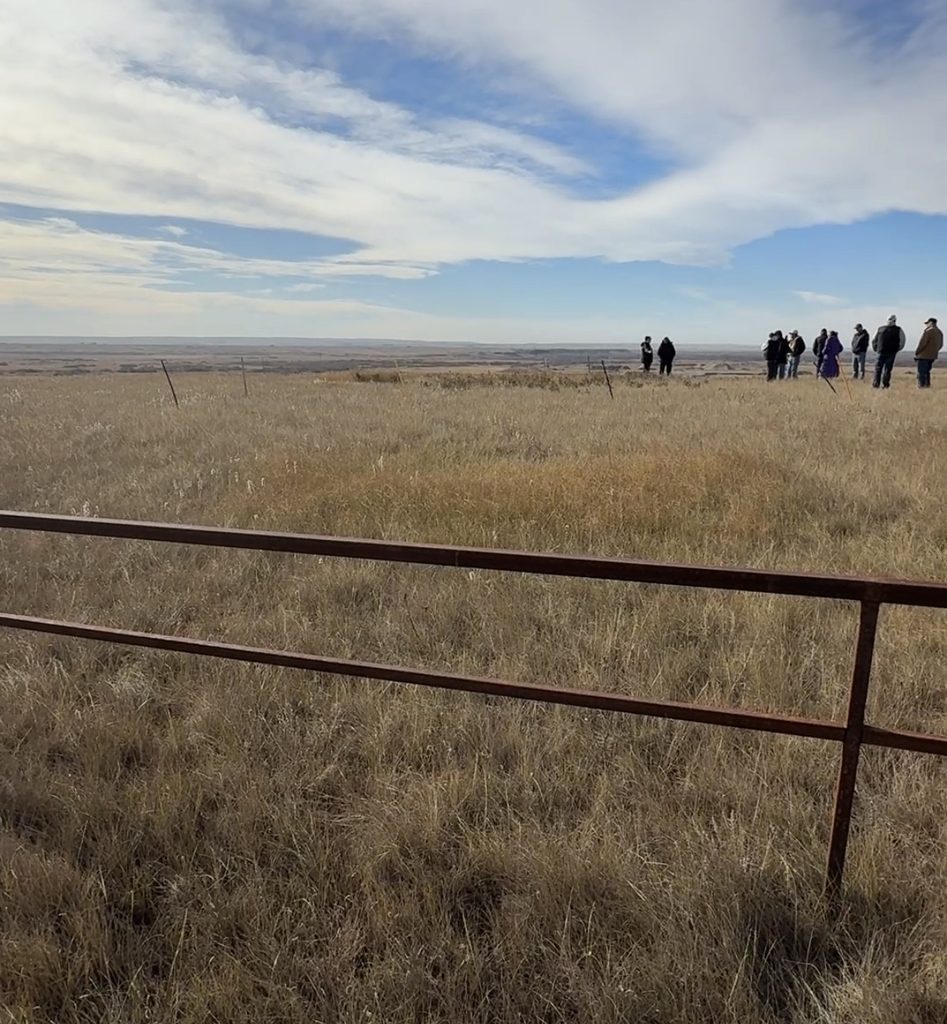
Not long ago, I had the privilege of taking a tour across our Nation, guided and facilitated by Kent Ayoungman and accompanied by a group of our respected Elders. As we traveled together from one end of the land to the other, the Elders shared stories and wisdom connected to the ground beneath our feet. We visited places rich with history and deep meaning—the Tipi Rings in the West End, the quiet slopes of Ghost Coulee, the historic grounds of Treaty Flats, and the old Ration House sites, along with many other places that hold profound significance for the Siksika people.
Listening to the Elders speak at each stop was a powerful reminder: our history is not just locked away in books or old photographs. It is etched into the hills, coulees, rivers, and prairies of Siksika. Understanding the true significance of this land—knowing what happened here, why specific areas are sacred, and how our ancestors lived with the environment—is fundamental to who we are.
As Siksika Nation Emergency Management Coordinator, my daily job is to think about safety—how we protect our homes, our families, and our Nation from hazards like wildfires, floods, and severe weather. But this tour made one thing abundantly clear: we cannot truly protect our community unless we deeply understand the significance of the land and know how to shield our cultural and historical sites from harm.
Understanding the Land to Prevent Harm
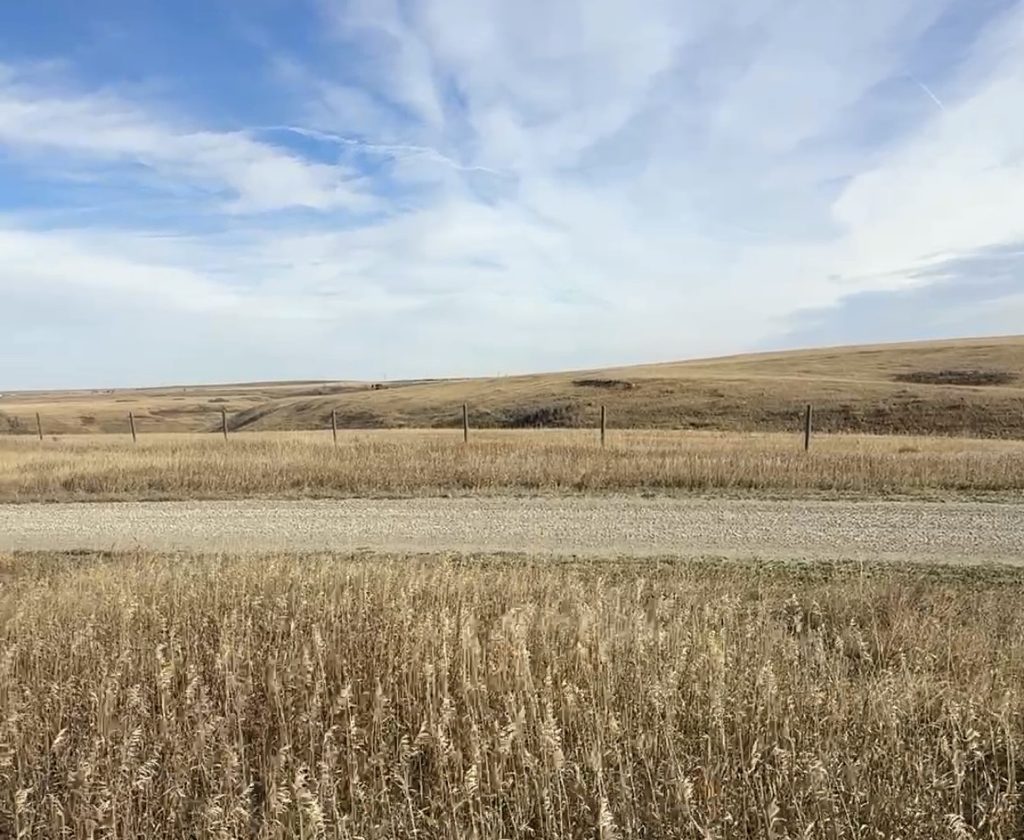
When a Nationwide disaster occurs, such as a fast-moving grass fire or river flooding, emergency crews must move quickly to protect life and property. However, if emergency responders do not know the historical and cultural significance of the landscape, we run the risk of unintentionally damaging or destroying sensitive grounds while trying to respond to a crisis.
When we know where our significant sites are and why they matter, we can build proactive protections into our safety operations. During a wildfire, heavy machinery like bulldozers might be used to dig firebreaks (plowed lines of dirt to stop flames from spreading). When emergency teams understand the location and importance of sacred sites like Tipi Rings or traditional gathering grounds, they can plan safe routes around them, protecting both homes and sacred heritage simultaneously. Near riverbanks and low-lying areas like Treaty Flats or historic Ration House locations, spring flooding can wash away shoreline features and historical artifacts. Knowing the cultural significance of these flood-prone areas allows us to put protections in place early—such as reinforced banks, sandbags, or drainage improvements—before high water arrives. Sites like Ghost Coulee carry cultural memory, spiritual weight, and unique physical geography that demand care. Recognizing the significance of these places ensures that when emergency vehicles or mitigation crews operate nearby, they do so respectfully and safely.
Bridging Traditional Knowledge and Community Safety
Our Elders have always held the deepest knowledge regarding the land. They know where the land holds sacred memory, and how our ancestors lived in harmony with the natural environment. By combining the traditional wisdom of our Elders with proactive safety planning, we strengthen our overall resilience. Knowing the land’s significance allows us to:
- Include Sacred Sites in Safety Plans: Ensure our emergency plans specifically safeguard historic and sacred locations alongside roads, power lines, and housing.
- Take Action Before Disasters Hit: Clean up dry brush, trim vegetation, and manage land features around critical heritage sites to prevent wildfire damage before fire season starts.
- Pass Knowledge to the Next Generation: Ensure our youth understand the deep significance of our sacred places and see how caring for the land keeps the whole community safe.
Moving Forward Together
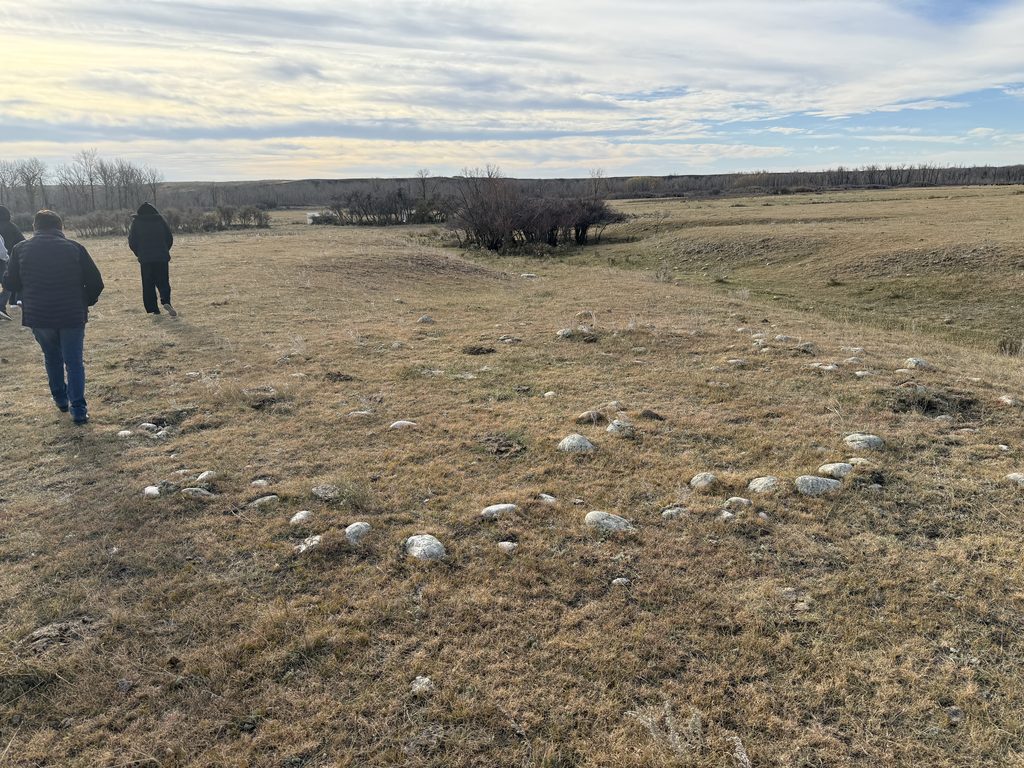
Every piece of our Nation tells a story. The Tipi Rings remind us of our long history and presence on this land; Treaty Flats marks pivotal moments in our history; and sites like the old Ration Houses tell the story of our endurance.
Protecting our community from hazards is about more than just keeping roofs over our heads—it is about honoring the land, respecting its significance, and keeping our spirit, history, and culture intact for our children and grandchildren.
I want to extend my heartfelt gratitude to Kent Ayoungman and the Elders who took the time to share their knowledge during our tour. Their guidance ensures that as we plan for the safety of Siksika Nation, we do so with deep respect for the significance of the land, our history, and our future.


