
This summer, families and youth in the community had opportunities to connect, learn, and celebrate their culture through a wide range of recreation and cultural programs provided by Aikaa’yisaapi – Siksika Prevention Early Intervention.
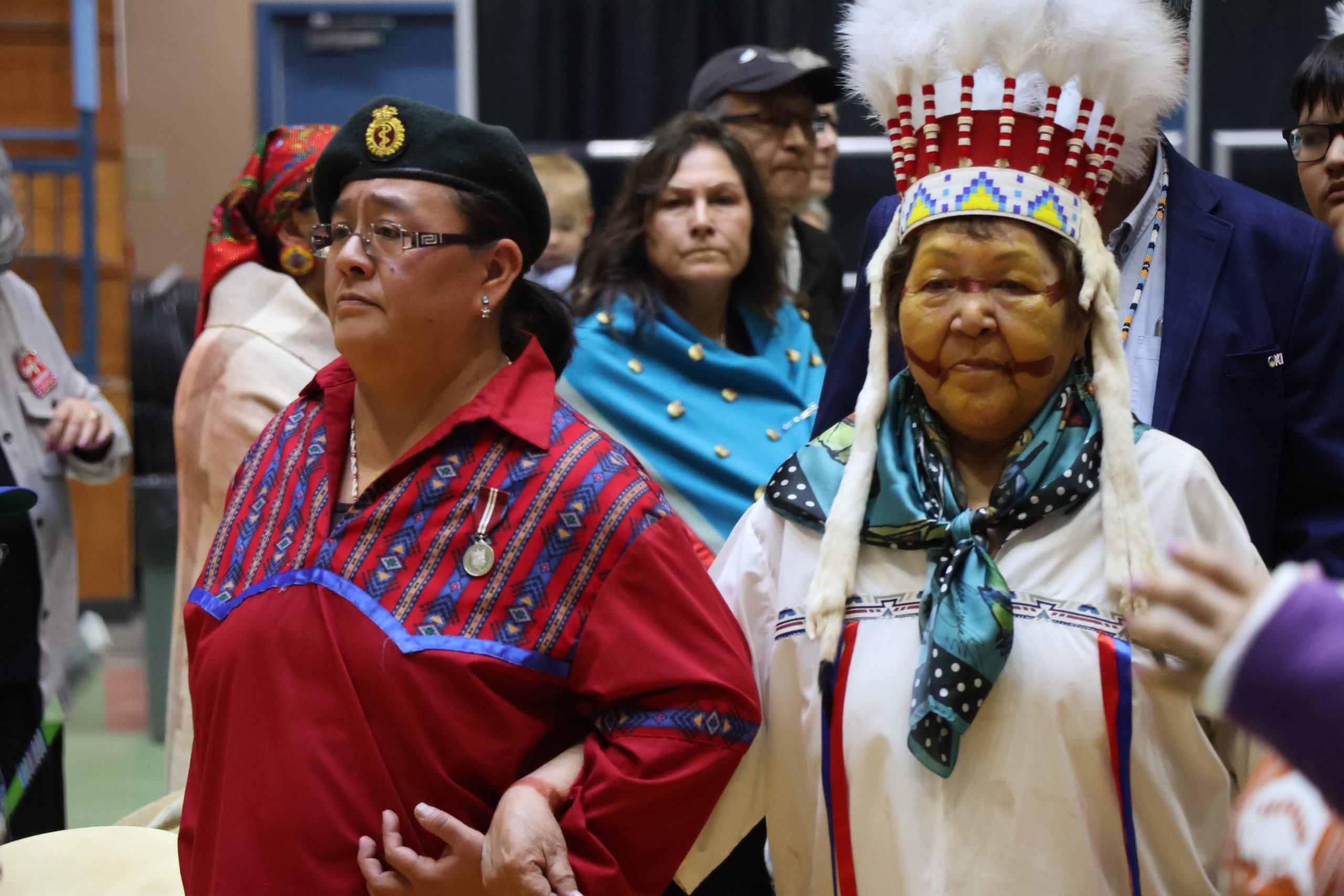
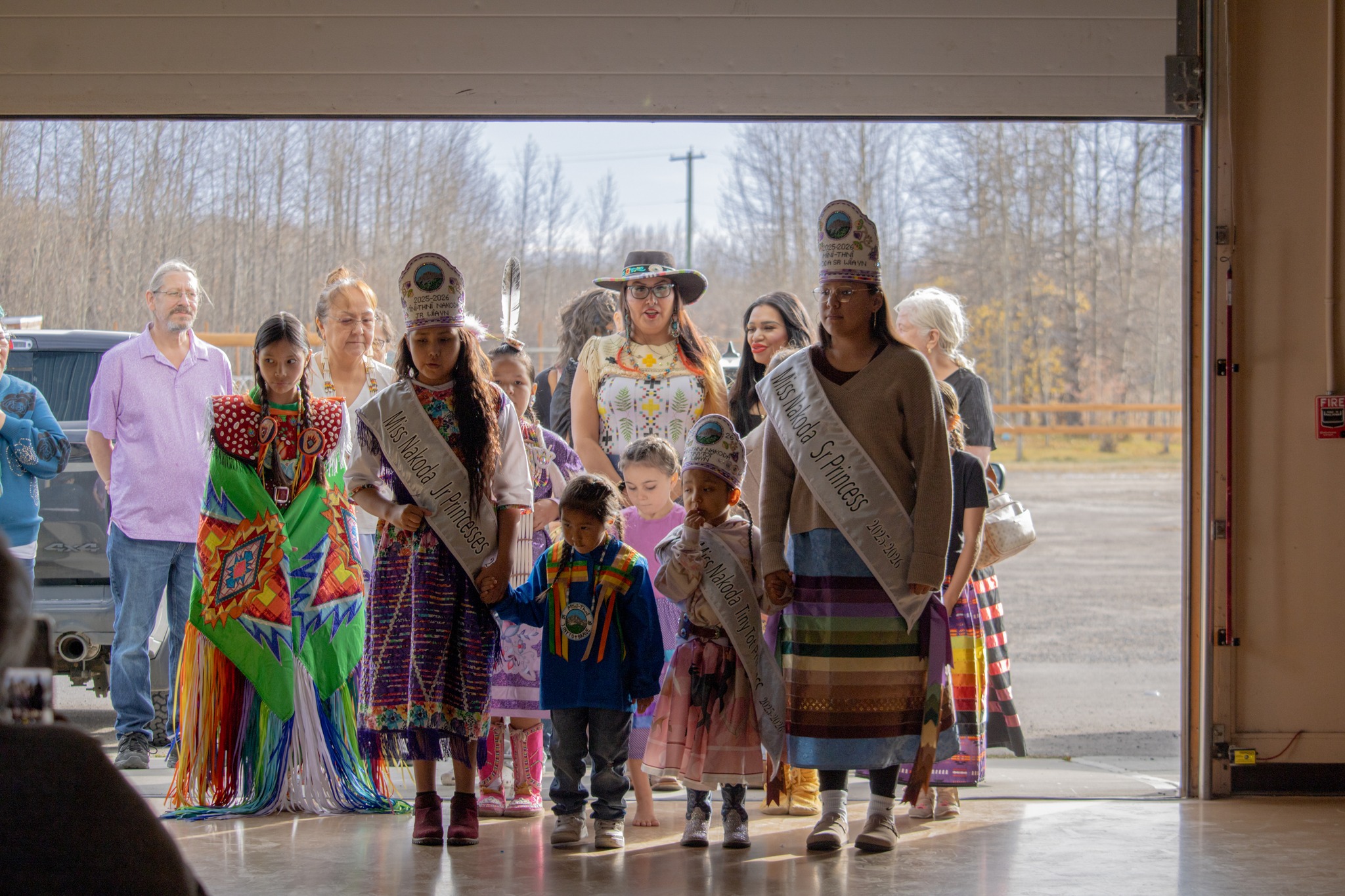
The summer programming focused not only on keeping children active, but also on strengthening their sense of identity and belonging. Through cultural teachings, traditional activities, camps, field trips, and family events, children and families were encouraged to learn more about Blackfoot ways of life while building connections within the community.
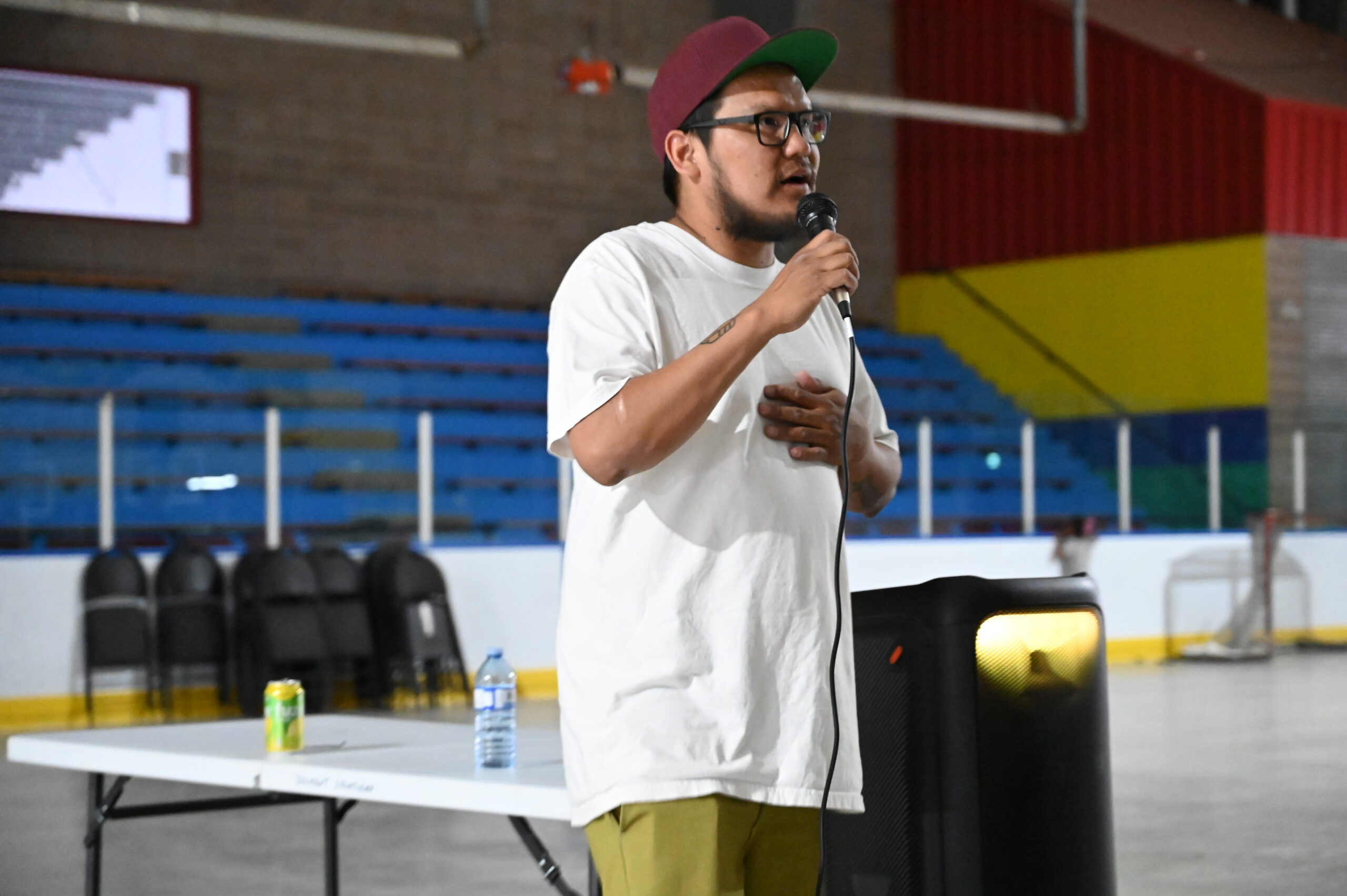
“We want the kids and families to build on who they are, where they come from, and that sense of belonging within our community,” said Nikki Yellow Old Woman, the Interim Program Manager.
The programming included recreational camps as well as cultural camps and activities. Youth had opportunities to learn about traditional medicines, participate in young girls’ support groups, attend hunting and wilderness camps, and take part in hands-on cultural activities such as ribbon skirts and moccasin making.
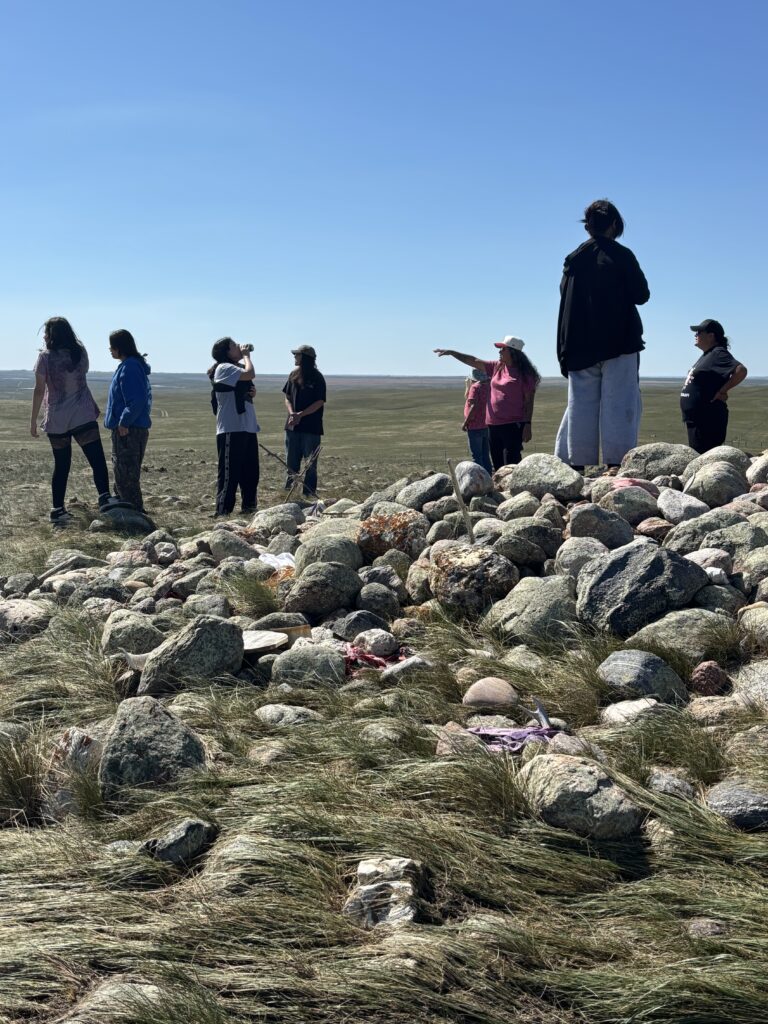
Field trips were also a popular part of the summer. Youth visited places such as Majorville and the Medicine Wheel, as well as the Head-Smashed-In Buffalo Jump, where they could learn about the history and culture connected to the land.
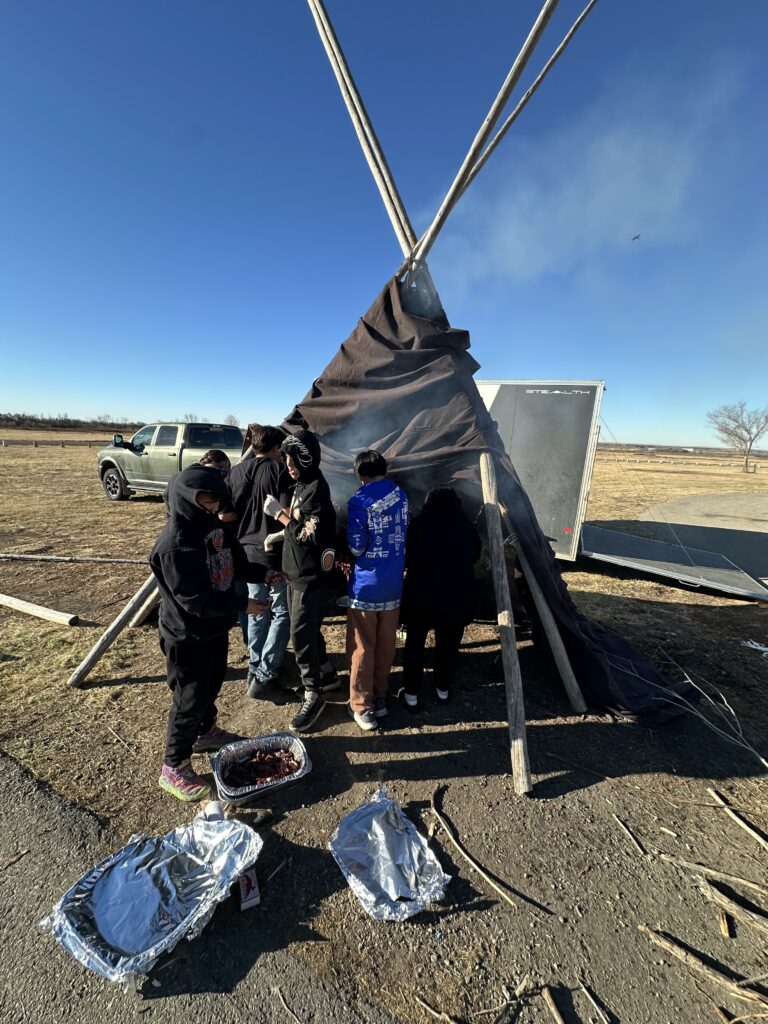
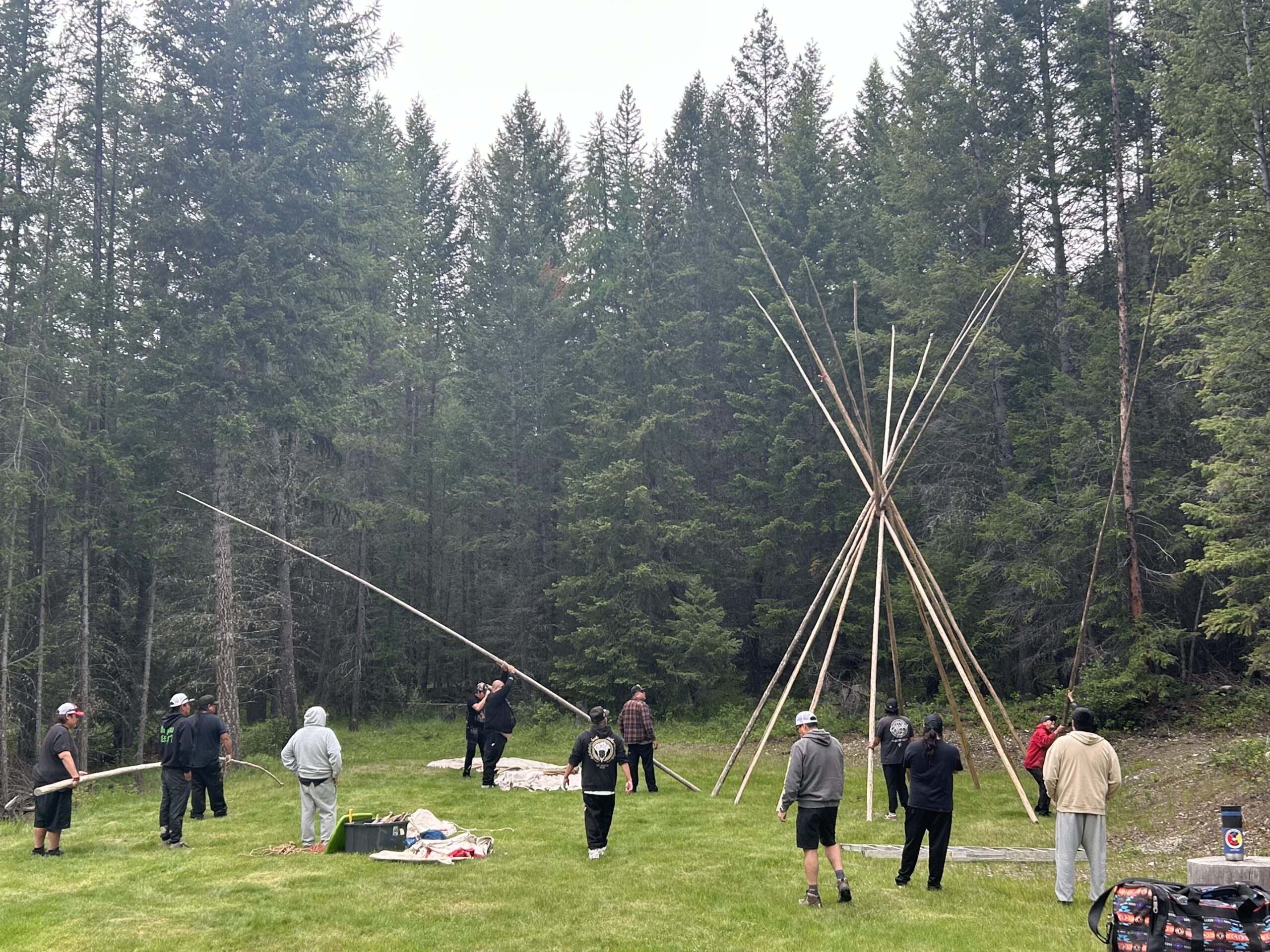
One of the most successful programs was a four-day Rite of Passage camp held at the arbor for youth between the ages of 10 and 18. The camp provided separate teachings and activities for boys and girls while creating opportunities for participants to learn from the Elders.
The girls worked on making traditional dresses and moccasins, while the boys learned drum making, how to prepare a sweat, and participated in their first sweat. Youth were also taken to areas near the river for teachings about hunting, wildlife tracks, plants, and the natural environment.
In the evenings, Elders gathered with the youth in a tipi for traditional storytelling. The stories quickly became one of the highlights of the camp.
“The kids were really intrigued,” Yellow Old Woman said. “The next day, there were kids asking for another story.”
The camp concluded with a traditional feast prepared by the girls alongside Elders. The meal included stew, fry bread, and berry soup, while the boys participated in activities before joining the closing celebration. Youth received gifts and had an opportunity to reflect on what they had learned.
The camp offered more than activities—it created opportunities for youth to connect with Elders, language, culture, the land, and traditional roles and responsibilities.
Other summer activities, including baseball, men’s and women’s wilderness camps, hunting camps, field trips, and cultural camps, also brought strong participation. Back-to-school events provided another opportunity for families to come together, with children excited to receive backpacks and prepare for the return to school.
Beyond the activities themselves, the summer program also helped strengthen relationships between staff and community members. By creating welcoming opportunities for families to participate, staff were able to get to know community members while families became more familiar with the people providing programs and support.
There is also an important message behind the programming: these services are available to the entire community.
“One of the biggest questions I’m getting is, ‘Oh, well, prevention is just for family services.’ But no, our programs and our support are open to all community members,” Nikki explained.
The program team hopes to maintain communication about future activities. Currently, Facebook is one of the primary ways programs are promoted, while the team is also working toward sharing calendars, posters, and other information more broadly throughout the community.
As the summer ended, the programs left youth and families with more than memories of camps and activities. They created spaces where children could learn from Elders, explore their culture, spend time on the land, and build relationships with one another—connected to their culture, to their families, and to their community.